
What is ‘The Pinnacle’? Inside Montego Bay’s Multi-Billion Dollar Transformation

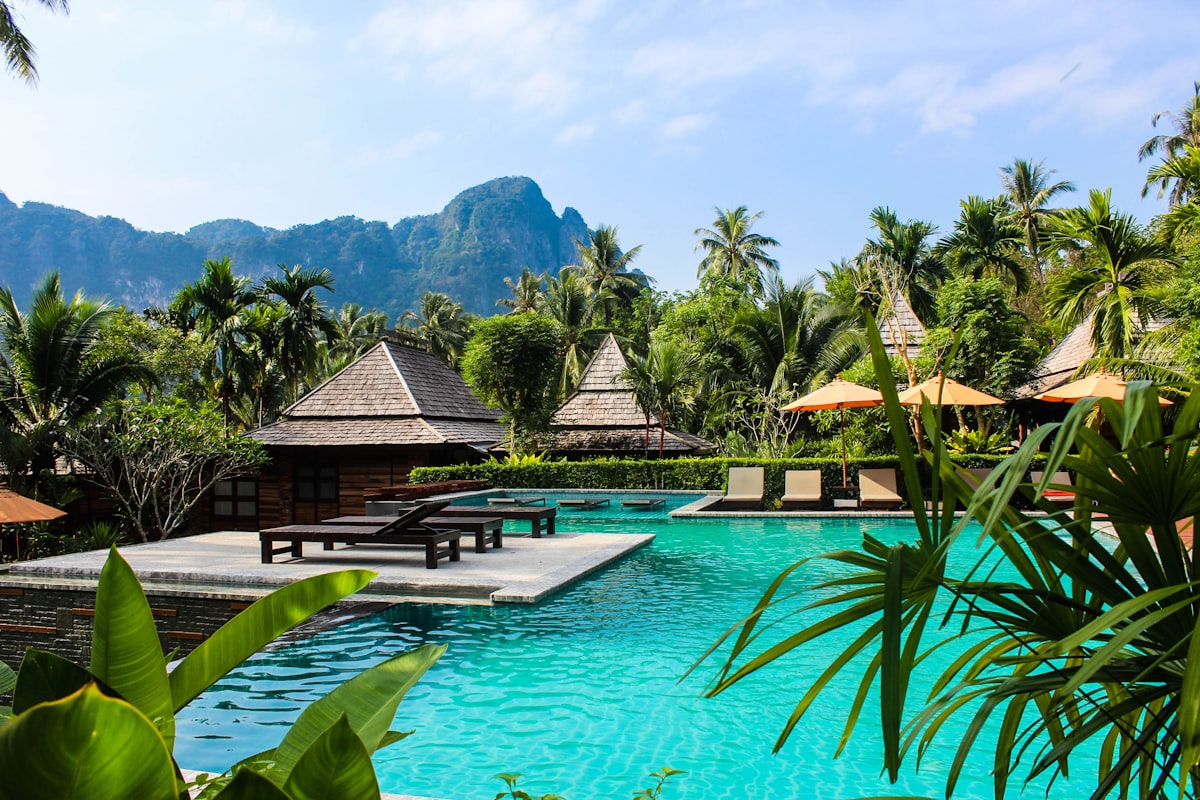
Luxury infinity pool overlooking the Caribbean SeaLuxury infinity pool overlooking the Caribbean Sea. Photo by Sara Dubler on Unsplash.

Montego Bay has long been the glittering entry point for millions of travelers seeking warm sand and cold Red Stripe. But look closer at the shoreline of the second city, and you will see a new future taking shape. Jamaica’s hospitality and real estate landscapes are undergoing a historic, multi-billion-dollar evolution—and at the absolute peak of this movement is a project simply called The Pinnacle.

Located on the pristine Reading Peninsula, nestled between the calm waters of the Montego Bay Marine Park and the green hills of St. James, The Pinnacle is more than just a development. It is a bold declaration that Jamaica is ready to compete on the global stage for ultra-luxury tourism and residential living.

Here is an inside look at the game-changing project that is set to redefine the skyline and spirit of Montego Bay.

Redefining the Skyline: The Tallest Towers in Jamaica

For decades, Jamaica’s coastal architecture has favored low-rise, horizontal resorts nestled along the beaches. The Pinnacle is turning that concept on its head—literally.

The centerpiece of the development is a cluster of four majestic towers rising 28 stories high. Designed by world-renowned architects, these structures will be the tallest residential towers in the English-speaking Caribbean.

The towers will house over 500 “Sky Residences,” ranging from sleek one-bedroom apartments to sprawling multi-story penthouses. Each residence is designed with expansive glass balconies, open-concept layouts, and private plunge pools that seem to float between the sky and the sea. The design philosophy blends modern minimalism with warm, tropical textures like local wood and stone, ensuring the space feels distinctly Jamaican yet thoroughly global.

The Pinnacle Lifestyle: Yachts, Dining, and Wellness

The developers behind The Pinnacle aren’t just building apartments; they are curating an exclusive lifestyle community. The property is designed to be a self-contained paradise for residents and visitors alike, featuring:

  • A Private Yacht Marina: Recognizing the global boom in yachting tourism, The Pinnacle features a state-of-the-art marina, allowing residents to sail directly to their front door.
  • A Culinary District: The development will host multiple fine-dining restaurants, bringing international culinary trends to MoBay alongside elevated Jamaican fusion cuisine.
  • World-Class Wellness: A sprawling rooftop spa, fully equipped fitness centers, tennis and pickleball courts, and private beach clubs will offer a holistic approach to island living.
  • Eco-Conscious Design: Despite its grand scale, the project incorporates smart green technologies, including solar power systems, water harvesting, and extensive mangrove protection zones to preserve the delicate marine environment of the peninsula.

Why It Matters: The Luxury Shift

For years, islands like the Bahamas, Barbados, and Saint Barthélemy have been the traditional playgrounds for high-net-worth buyers in the Caribbean. The Pinnacle signals a massive shift. By offering high-rise luxury living combined with Jamaica’s legendary warmth and culture, the island is capturing a brand-new market of digital nomads, international investors, and wealthy diaspora members looking for a sophisticated home base.

The One Luv Verdict

The Pinnacle is a sign of a changing Jamaica. As construction progresses, it stands as a symbol of growth, modern architecture, and economic ambition. While we will always cherish the rustic, off-grid corners of the island, we welcome this exciting new chapter that elevates Montego Bay into the stratosphere of luxury living.

Beyond Jerk: Why Authentic ‘Ital’ Cooking is Trending Globally

A fresh, vibrant, plant-based bowl of nourishing foodA fresh, vibrant, plant-based bowl of nourishing food. Photo by Ella Olsson on Unsplash.

Mention Jamaican food to anyone in London, New York, or Toronto, and their mind immediately drifts to the smoky aroma of jerk chicken, the rich gravy of oxtail, or the savory bite of a beef patty. But there is another culinary treasure native to our island—one that has been quietly nourishing bodies and souls for nearly a century.

Welcome to the world of Ital cooking.

Long before “plant-based,” “clean-eating,” and “organic” became buzzwords in the global wellness industry, Jamaica’s Rastafarian community was practicing the ultimate form of sustainable, earth-to-table nutrition. Today, as international food culture pivots toward health and environmental consciousness, Ital is taking its rightful place in the global spotlight.

What is Ital? The Vital Philosophy

The word Ital is derived from vital. The core philosophy is simple yet profound: what you put into your body should be alive, natural, and directly connected to the earth.

In a traditional Ital kitchen, the rules are sacred:

  • Zero Meat or Dairy: It is naturally and strictly plant-based (vegan).
  • No Table Salt: Iodine and refined salt are avoided. Instead, flavor is drawn out using natural minerals and fresh herbs.
  • No Preservatives or Chemicals: Everything is cooked fresh, using unprocessed, whole ingredients.
  • Cooked in Clay or Wood: Many traditionalists cook only in clay pots over wood fires to keep the food free from metallic tastes.

The Secret to Salt-Free, High-Vibe Flavor

For those raised on processed foods, the idea of cooking without salt might sound bland. But Ital food is a revelation of flavor. Rastafarian cooks are masters of botanical seasoning, using the island’s rich agricultural bounty to create complex, hearty dishes:

  • The Coconut Milk Base: The foundation of many Ital stews (often called sip or run-down) is fresh, hand-grated coconut milk. Simmered down, it creates a rich, sweet, and creamy broth that coats the vegetables.
  • The Holy Trinity of Seasonings: Scotch bonnet pepper (for heat and aroma, not just spice), fresh escallion (green onion), and sprigs of thyme are simmered in the pot to release deep, earthy flavors.
  • Hearty Ground Provisions: Chunks of yellow yam, sweet potato, breadfruit, pumpkin, and green bananas are added to give the stews a satisfying, dense texture.
  • Leafy Greens: Freshly harvested callaloo is folded in at the end, adding a iron-rich, green goodness to the meal.

Why the World is Catching On

As the global community faces rising lifestyle diseases and environmental concerns, the search for clean food has intensified. Ital cooking fits the bill perfectly. It is naturally low in sodium, packed with dietary fiber, rich in antioxidants, and entirely cruelty-free.

From boutique wellness cafes in California to street-food markets in London, “Ital pots” are appearing on menus worldwide, proving that ancient Jamaican wisdom holds the key to modern wellness.

The One Luv Verdict

Ital is more than just a diet; it is a spiritual connection to the land and a celebration of life. By embracing Ital cooking, we honor our heritage and offer the world a delicious, healing template for healthy living. So next time you cook, skip the salt, grab a coconut, and make it Ital!

Top Farm-to-Table & Farm-to-Skin Experiences in the Blue Mountains

Organic coffee beans from the Blue Mountains of JamaicaOrganic coffee beans from the Blue Mountains of Jamaica. Photo by Nathan Dumlao on Unsplash.

Rise above the heat of the coastline and ascend into the cool, misty embrace of the Blue Mountains. Long celebrated for producing some of the world’s most sought-after coffee, these majestic peaks are now home to a quiet revolution in wellness and culinary tourism.

Today’s conscious travelers are seeking out deep connections with the earth. In Jamaica, this has sparked a vibrant wave of farm-to-table dining and farm-to-skin beauty experiences. By utilizing the ultra-fertile volcanic soil and clean mountain air, local creators are showing the world how to nourish both the body and the skin using pure, freshly harvested ingredients.

Farm-to-Table: The Magic of Pretty Close 876

If you want to experience food in its most honest, soulful form, you must make the journey to Pretty Close 876. Tucked away in the lush hills of Gordon Town, just a short drive from Kingston, this eco-sanctuary is redefining Jamaican dining.

Run by passionate local caretakers, Pretty Close 876 is a return to roots. There are no menus or waiters here. Instead, your host harvests seasonal ingredients—like breadfruit, green bananas, callaloo, and fresh coconuts—directly from the surrounding forest.

The magic happens in the outdoor kitchen, where meals are simmered slowly in clay pots over a wood fire, seasoned with fresh herbs and homemade coconut milk. The result is a nourishing, plant-based Ital feast. The best part? You enjoy your food served on a polished coconut shell or a wild banana leaf, sitting on a bamboo bench with your feet dipped in the cool waters of the running river. It is a grounding, unforgettable culinary experience.

Farm-to-Skin: Mountain Skincare Infused with Nature

The healing energy of the Blue Mountains isn’t just for your plate—it’s also for your skin. The “farm-to-skin” movement focuses on using raw, organic, and locally sourced botanicals to heal and rejuvenate the body. Here is how mountain ingredients are transforming skincare:

  • Blue Mountain Coffee Scrubs: Don’t throw away those coffee grounds! Local wellness retreats use freshly ground, organic coffee beans mixed with raw brown sugar and cold-pressed Jamaican coconut oil. The caffeine naturally tightens and brightens the skin, while the coffee oils provide a rich dose of antioxidants to scrub away the stress of travel.
  • Fever Grass & Ginger Infusions: Known locally as fever grass (lemongrass) and wild ginger, these plants are harvested from the mountain slopes and steam-distilled into potent essential oils. Used in handmade soaps and body oils, fever grass acts as a natural purifier, while ginger warms the muscles and stimulates circulation.
  • Mountain Honey & Aloe Soothers: High-altitude apiaries produce rich, dark honey that is naturally antibacterial. When blended with fresh aloe vera pulp grown in the hills, it creates a soothing, hydrating mask perfect for calming sun-kissed skin after a day at the beach.

The One Luv Verdict

A journey into the Blue Mountains is a reminder that nature is our greatest healer. By embracing farm-to-table and farm-to-skin experiences, you aren’t just tasting and feeling the true essence of Jamaica—you are supporting sustainable agriculture and keeping local traditions alive.

Conscious Dancehall: How Artists Like Vybrid are Tackling Mental Health and Resilience

Misty and peaceful green hills at sunriseMisty and peaceful green hills at sunrise. Photo by Kalen Emsley on Unsplash.

For decades, Dancehall has been celebrated as the high-octane voice of the Jamaican streets—filled with stories of raw hustle, high-fashion clashes, and unmatched dancefloor energy. But in recent years, a quiet, powerful shift has been taking place beneath the heavy basslines.

A new breed of artists is stepping forward to challenge one of the biggest taboos in Caribbean culture: mental health.

Dubbed “Conscious Dancehall,” this movement sees prominent artists trading gun-tplay and hyper-masculinity for lyrics about vulnerability, depression, self-love, and the quiet battle for peace of mind. Here is a look at how voices like VybridChronic Law, and others are transforming the genre into a source of emotional healing.

Breaking the Silence: Vybrid’s Anthem of Self-Love

In Jamaica, the phrase “tough it out” has long been the standard response to emotional distress. But artist Vybrid is rewriting that narrative.

With a style that blends traditional flow with melodic, comforting beats, Vybrid has become a champion for youth mental health. His lyrics dive deep into the realities of anxiety, the weight of social media pressure, and the feelings of isolation that many young people experience.

His music doesn’t just highlight the struggle; it offers a roadmap to resilience. Through songs that advocate for self-care, boundaries, and emotional honesty, Vybrid is showing his listeners that acknowledging your struggles isn’t a sign of weakness—it’s the ultimate form of strength.

The “Law Boss” and the Reality of Pain: Chronic Law

You cannot discuss conscious dancehall without acknowledging Chronic Law. Known affectionately as the “Law Boss,” he has amassed a massive, fiercely loyal following by becoming the genre’s resident poet of pain.

Chronic Law’s music acts as a diary for the weary. He sings openly about the grief of losing friends, the heavy toll of constant stress, and the reality of battling depression.

What makes his music so resonant is its authenticity. When he sings about the struggle to find peace amidst chaos, his listeners hear their own lives reflected back at them. He provides comfort by letting his audience know they are not alone in their darkest moments.

The Path to Peace: Jahshii and Spiritual Growth

Following in these footsteps is Jahshii, who has transitioned from aggressive, street-centered tracks to music focused on self-reflection and spiritual growth. His newer songs touch on the importance of cleansing one’s circle, escaping negative mindsets, and finding peace of mind over material wealth. It is a message that resonates deeply with a generation looking for light in challenging times.

Why Conscious Dancehall is a Wellness Revolution

This musical evolution is more than just a trend; it is a public health service. By discussing therapy, anxiety, and depression in street dances and on national radio, these artists are dismantling the stigma surrounding mental health. They are showing that you can be strong, authentic, and culturally rooted while still taking care of your mind.

The One Luv Verdict

Dancehall has always been a mirror to Jamaican society. Today, that mirror is reflecting a deeper need for emotional healing, self-care, and community support. We salute Vybrid, Chronic Law, and all the artists brave enough to sing their truths and guide us toward a more conscious, resilient future.

Riddim Culture is Back: Why Rvssian’s ‘Recovery Riddim’ and the ‘WYFL Riddim’ are Safe Bets for Your Playlist

A DJ mixing tracks on a turntable controllerA DJ mixing tracks on a turntable controller. Photo by Lee Campbell on Unsplash.

If you’re a lifelong fan of Dancehall, you know that the true heartbeat of the genre isn’t found in isolated singles. It’s found in the juggling riddim—that beautiful, traditional format where a single producer creates a spectacular instrumental track, and a dozen different artists step up to the mic to write their own stories on the same beat.

For a few years, the industry shifted toward standalone singles. But in 2026, riddim culture has made a triumphant, roaring return.

Led by visionary producers, these collective projects are dominating the street dances and Spotify playlists alike. If you want to know what Jamaica sounds like right now, here is why Rvssian’s ‘Recovery Riddim’ and the ‘WYFL Riddim’ are absolute must-adds for your playlist.

The King of the Melodic Wave: Rvssian’s ‘Recovery Riddim’

Tarik “Rvssian” Johnston has been a cornerstone of Dancehall production for over a decade, but his work on the Recovery Riddim might be his most infectious project yet. The beat is a masterclass in modern juggling: smooth, upbeat, built around tropical synths and a rolling bassline that practically forces your hips to move.

The breakout star of this riddim is undoubtedly Valiant with his massive anthem Passport Princess. The track is a playful, jet-setting love song that has captured the global diaspora, racking up millions of views and inspiring endless TikTok dance challenges.

But the beauty of a juggling riddim is its variety. On the same beat, Chronic Law brings his signature reflective, soulful melodies, while Skillibeng turns up the heat with his unconventional, high-energy delivery. Listening to these three distinct voices ride the exact same wave is a testament to the sheer creativity alive in Jamaican music today.

The Street Standard: The ‘WYFL Riddim’

While the Recovery Riddim brings the bright, feel-good party vibes, the WYFL (Write Your Fate / Future) riddim brings the raw, authentic grit of the Kingston streets.

Built on a darker, heavy-hitting bass loop with minor-key piano chords, the WYFL Riddim is where lyricists go to prove their worth. It has become the official soundtrack of the weekly Kingston dances, booming out of massive sound walls at 3:00 AM.

Artists on this project use the moody beat to deliver stories of hustle, resilience, and survival, showing that Dancehall remains the ultimate diary of the youth.

Why Riddims Matter for Your Playlist

Adding juggling riddims to your music library is like bringing the energy of a Jamaican sound system clash straight to your headphones. Instead of disjointed tracks, playing a juggling riddim back-to-back lets you experience how different artists interpret the same musical canvas. It keeps the tempo steady, the energy high, and the vibes completely consistent.

The One Luv Verdict

We are thrilled to see riddim culture reclaiming its rightful place at the center of the industry. It fosters collaboration, showcases lyricism, and keeps the dancefloor unified. Turn up your speakers, load up Recovery and WYFL, and let the riddim play!

Riddim of the Year: Inside the ‘Hill and Gully’ Dancehall Craze

Every now and then, a beat comes along that doesn’t just make you dance‚Äîit starts a national conversation. In 2026, that beat is the “Hill and Gully” riddim.

Produced by the legendary Stephen “Di Genius” MacGregor, this riddim is currently booming out of every car speaker, beach bar, and street dance across Jamaica. But what makes this project truly special isn’t just its heavy bass; it‚Äôs the fact that it is built entirely on a sample of a beloved, 70-year-old Jamaican folk classic.

Here is the story behind the year’s most popular riddim, the top songs dominating the charts, and the cultural debate it has sparked.

The Mento Connection: Loopin’ Back to the Roots

Before there was Reggae, Rocksteady, or Dancehall, there was Mento. During the 1950s, this acoustic folk style was the sound of Jamaica, driven by banjo, hand drums, and the marimba (rumba box). One of the era’s biggest hits was “Hill and Gully Ride” by Lord Composer (Omri Mundle).

Di Genius took that historic, acoustic melody, sped it up, and laced it with modern 808s and crisp dancehall snares. The result is a perfect fusion: a song that makes your grandmother want to sing along to the melody, while the youth are busy creating new dance moves to the beat.

Meet the Artists Dominating the Riddim

To make a riddim a classic, you need top-tier talent. Di Genius assembled some of the biggest names in Dancehall to ride this historic wave. Here are 5 artists who are making the “Hill and Gully” riddim their own:

1. Stephen “Di Genius” MacGregor (The Mastermind)

Stephen Di Genius MacGregor
The producer behind the beat, Stephen “Di Genius” MacGregor. Link: @digenius1 on Instagram.

Di Genius has been a cornerstone of Dancehall since his teenage years. With “Hill and Gully,” he reminds the world why he is considered one of the most innovative producers in Caribbean music history.

2. Masicka (“Slip & Slide”)

Masicka
Dancehall star Masicka, whose track “Slip & Slide” elevated the riddim’s popularity. Link: @masickamusic on Instagram.

Masicka brings his signature smooth, confident delivery to “Slip & Slide.” It has become the flagship track of the riddim, dominating radio play and local streaming charts.

3. Valiant (“Woii”)

Valiant
Valiant, bringing high energy to the riddim with “Woii”. Link: @valiant_music on Instagram.

Valiant continues his hot streak in 2026 with “Woii.” His melodic flow and catchy hook make this track one of the most requested songs at weekly Kingston street parties.

4. Govana (“Itsy Bitsy”)

Govana
Govana, known for his storytelling on “Itsy Bitsy”. Link: @govanagenna on Instagram.

Govana uses the traditional folk loop to deliver “Itsy Bitsy,” a clever, humorous storytelling track that shows off his lyrical writing skills and connection to daily Jamaican life.

5. Elephant Man (“Hold Him Gyal”)

Elephant Man
The Energy God, Elephant Man, live on stage. Link: @elephantman_energy on Instagram.

No juggling riddim is complete without the “Energy God.” Elephant Man‚Äôs “Hold Him Gyal” brings the nostalgic, high-octane vibe of early 2000s Dancehall back to the airwaves, creating pure excitement on the dancefloor.


The Controversy: Is it Safe for Radio?

With great popularity comes great scrutiny. The “Hill and Gully” riddim has split opinions among radio DJs and cultural gatekeepers.

Because “Hill and Gully Ride” is a historic folk song taught in local schools, some critics argue that pairing it with modern, sexually explicit lyrics degrades Jamaican heritage. Several radio personalities have even called for a ban on the more explicit tracks.

However, defenders of the riddim point out that sampling has always been a key part of Reggae and Dancehall. By bringing this 1950s melody back to the charts, Di Genius is introducing a new generation of listeners to their cultural history.

The One Luv Verdict

Whether you love the controversy or just love the bass, the “Hill and Gully” riddim is a masterclass in musical recycling. It proves that Jamaica’s traditional sounds are timeless, holding the power to move crowds across generations. Turn up your speakers and let the folk-dancehall fusion play!

How to Apply for and Renew Your Jamaican Passport Online: A Step-by-Step 2026 Guide

Two passports lying on a flat surface, representing travel and identity
Two passports lying on a flat surface, representing travel and identity. Photo by ConvertKit on Unsplash.

For Jamaicans at home and across the globe, our passport is more than just a travel document—it is a badge of honor, a connection to our roots, and our ticket to return home to the sun, sand, and family.

But for years, the process of applying for or renewing that green book was notoriously exhausting. It meant waking up at dawn to beat the lines at the Passport, Immigration and Citizenship Agency (PICA) office in Kingston, or spending a day traveling to the nearest consulate in Toronto, New York, or London.

Thankfully, PICA has stepped into the digital age. In 2026, adult Jamaican citizens can renew their passports online in a matter of minutes. The new passport is printed in Jamaica and shipped directly to your doorstep anywhere in the world via secure courier.

If your passport is expiring soon, here is your definitive, step-by-step guide to renewing it online.

Who Can Renew Online?

To use the online portal, you must meet the following criteria:

  • You must be an adult (18 years or older).
  • Your current passport must have been issued after your 18th birthday.
  • Your passport must not be expired for more than 10 years.
  • Your passport must be in your possession (not lost, stolen, or damaged).
  • Your name must match the name on your old passport exactly (no recent name changes due to marriage or deed poll‚Äîthese still require paper submissions).

Note: First-time applicants and minors (under 18) must still submit physical applications, though forms can be downloaded online.

The Checklist: What You Need Before You Start

Make sure you have these four items ready before you open the portal:

  1. Your Current Passport: You will need to input the passport number and issue date.
  2. Your TRN (Taxpayer Registration Number): Used to verify your identity against the national database.
  3. A Digital Passport Photo: This is the most critical step. The photo must be a high-resolution JPEG, taken within the last six months, against a plain white background, with no shadows, glasses, or head coverings (unless for religious purposes).
  4. A Credit Card: Visa or Mastercard to pay the processing and courier fees.

Step-by-Step: Navigating the PICA Portal

Follow these simple steps to complete your renewal:

  • Step 1: Visit the Portal: Head to the official PICA online service website and select the “Passport Renewal” option. Read and accept the terms and conditions.
  • Step 2: Enter Identity Details: Input your old passport number, birth date, and TRN. The system will pull up your record to confirm you are eligible for online renewal.
  • Step 3: Upload Your Digital Photo: Upload your JPEG photo. PICA‚Äôs portal features a smart, built-in validation tool that automatically checks your photo for correct alignment, size, and lighting. If it fails, the system will tell you why, allowing you to re-upload.
  • Step 4: Confirm Shipping and Pay: Enter your physical delivery address. PICA partners with DHL to deliver your passport. Select your location and pay the combined renewal and shipping fee using your credit card.
  • Step 5: Track Your Delivery: You will receive a confirmation email with a tracking number. Within 10 to 15 business days, DHL will deliver your brand-new Jamaican passport directly to your hands.

Top Photo Tips to Avoid Delays

More than 80% of online passport delays are caused by rejected photos. To get it right the first time:

  • Go to a Professional: Don‚Äôt take a selfie. Go to a professional photo studio, tell them you need a digital Jamaican passport photo, and have them email you the raw JPEG file.
  • Neutral Expression: Do not smile, frown, or show teeth. Keep a neutral face looking straight at the camera.
  • No Whites: Do not wear a white shirt, as it will blend into the white background. Wear a dark, solid color instead.

The One Luv Verdict

PICA’s digital passport portal is a major victory for the Jamaican diaspora, saving time, money, and travel stress. Keeping your green book up to date has never been easier. Log on, upload your photo, and keep your connection to the rock strong!

Starting a Business in Jamaica: The 2026 Digital Guide for Entrepreneurs & Diaspora Investors

A laptop, notepad, and coffee on a desk, symbolizing a new business startup
A laptop, notepad, and coffee on a desk, symbolizing a new business startup. Photo by Domenico Loia on Unsplash.

Jamaica is known worldwide for its music and athletics, but in 2026, the island is writing a new chapter as a vibrant hub for entrepreneurship and investment. With a growing economy and a massive push toward digital modernization, there has never been a better time to invest in Jamaica.

For the diaspora and local entrepreneurs, the dream of starting a business in Jamaica used to come with a warning: prepare for endless paperwork, long lines at government offices, and weeks of delays.

Thankfully, those days are gone. Today, the Companies Office of Jamaica (COJ) and Tax Administration Jamaica (TAJ) have shifted their core services online.

Whether you are launching a boutique villa rental in Negril, a smart-agriculture farm in St. Elizabeth, or a digital marketing agency from your home in Toronto, here is your step-by-step digital guide to starting a business in Jamaica.

Step 1: Choose Your Business Structure and Name

Before you register, you must decide whether to operate as a Sole Trader (individual business) or register a Limited Liability Company (LLC). For international investors, an LLC is highly recommended as it protects personal assets and makes opening corporate bank accounts much easier.

  • The Name Search: Log onto the Companies Office of Jamaica (COJ) portal to search the database. Ensure your desired name is unique and represents your brand.
  • Online Registration: Once approved, you can complete and upload the registration forms (such as Form 1 for Companies) and pay the processing fee directly through the portal using a credit card.

Step 2: Secure Your TRN (Taxpayer Registration Number)

Your TRN is the nine-digit number that serves as your business’s tax identity. You cannot open a bank account, clear commercial cargo, or register for taxes without it.

  • For the Diaspora: If you are living abroad, you do not need to fly to Jamaica to get a TRN. You can download the application from the TAJ website, have it notarized at a Jamaican consulate or by a local Notary Public, and submit it along with a certified copy of your passport.

Step 3: Register for GCT (General Consumption Tax)

If your business imports goods or expects to exceed the annual revenue threshold for sales, you must register for General Consumption Tax (GCT). This is handled entirely online through the Tax Administration Jamaica (TAJ) portal, where you will also file your monthly returns and pay corporate taxes.

Step 4: Set Up Digital Banking and E-Commerce

Operating a business remotely requires modern financial tools. Fortunately, Jamaica’s banking sector has evolved:

  • Corporate Online Banking: Banks like NCB and Sagicor offer fully digital corporate portals, allowing you to manage payroll, pay local suppliers, and transfer funds internationally.
  • E-Commerce Payment Gateways: To accept payments online, you can integrate local payment gateways like WiPay or Fygaro into your Shopify or WordPress website. These platforms allow you to securely accept Visa and Mastercard payments from clients worldwide, depositing the funds directly into your Jamaican corporate account.

High-Growth Sectors for Diaspora Investment

If you are looking for opportunities, these three sectors are experiencing a massive boom in Jamaica:

  • Agtech & Food Processing: From organic honey and cocoa to processed sauces and dried herbs, value-added agriculture for export is highly lucrative.
  • Eco-Tourism & Vacation Rentals: As travelers seek authentic experiences, boutique guest houses and eco-lodges in Portland and St. Mary are yielding high returns.
  • Digital Services: Remote work has created a demand for software development, graphic design, and virtual assistance, allowing you to hire local talent to service international clients.

The One Luv Verdict

Starting a business in Jamaica is no longer a bureaucratic headache‚Äîit is a streamlined digital journey. By investing in the island, you aren’t just building personal wealth; you are creating local jobs, supporting communities, and driving the nation forward. Register your company online today, and let‚Äôs build Jamaica together!

Two-Wheeled Adventures: The Ultimate Guide to Mountain & Gravel Biking in Jamaica

A cyclist riding down a scenic off-road dirt trail
A cyclist riding down a scenic off-road dirt trail. Photo by Patrick Hendry on Unsplash.

When you think of exploring Jamaica’s natural beauty, you might picture hiking through the Blue Mountains or climbing up Dunn’s River Falls. But there is a thrilling, fast-growing way to experience the island‚Äôs dramatic landscapes that is capturing the attention of adventure travelers worldwide: mountain and gravel biking.

From the misty, high-altitude ridges of Portland and St. Andrew to the rugged, red-dirt coastal tracks of St. Mary, Jamaica is a goldmine of singletrack trails and gravel roads.

If you are ready to swap the beach chair for a bicycle seat, here is your ultimate guide to the best trails, gear requirements, and local guide networks on the island.

1. The High-Altitude Challenge: Biking the Blue Mountains

Riding in the Blue Mountains is not for the faint of heart. The terrain is steep, the air is thin, and the elevation changes are dramatic. But the reward is unmatched panoramic views and a cool, refreshing climate.

  • Blue Mountain Peak Trail: A grueling but spectacular climb that takes you through historic coffee estates and high-altitude cloud forests.
  • Triple Bypass & Woodford: These trails are legendary among technical riders. Expect steep, rocky descents, tight switchbacks, and loose gravel sections that will test your balance and braking skills.

2. The Coastal Escape: Robin’s Bay (St. Mary)

If you prefer a mix of forest shade, flat gravel roads, and ocean views, St. Mary is your playground. Robin’s Bay is an untouched eco-destination that offers some of the most scenic riding in the Caribbean.

  • John Crow Gully: A winding trail that dips through thick tropical gullies, crossing small streams and passing under giant bamboo arches.
  • Pressure Drop: True to its name, this gravel trail is a smooth, flowing ride through coconut plantations and coastal woodlands, ending at a secluded beach. It is the perfect spot to park your bike and jump in the ocean to cool off.

3. The Cultural Ride: Oracabessa

For a ride that blends natural beauty with local culture, the trails around Oracabessa are fantastic. You can ride along coastal cliffs, pass through local farming villages, and stop by the historic Irie FM radio station—the heartbeat of Jamaican music. It is a great way to meet locals, support small shops, and experience the warm hospitality of the countryside.

Gear and Prep: What You Need to Know

Biking in Jamaica is rugged and raw. To ensure a safe and enjoyable ride, keep these tips in mind:

  • The Right Bike: A front-suspension mountain bike (hardtail) or a modern gravel bike with wide, tubeless tires (at least 40mm) is essential. The trails feature sharp limestone rocks, tree roots, and muddy patches that will shred thin tires.
  • Go with a Guide (Crucial): Jamaican trails are rarely marked, and land ownership can be complex. Riding with established local outfits, like Singletrack Jamaica, is highly recommended. They provide quality bike rentals, know the trail conditions, and ensure you are welcomed warmly by the communities you pass through.
  • Hydration & Energy: The tropical humidity means you will sweat‚Äîa lot. Carry a hydration pack filled with water and electrolyte tabs, and pack local snacks like coconut drops or gizzada for quick energy.

The One Luv Verdict

Riding a bike through Jamaica is a sensory explosion. You smell the wild ginger in the air, hear the birds in the canopy, and feel the cool mountain breeze on your face. If you are looking for an authentic, active adventure that gets you off the beaten tourist path, pack your riding gear—Jamaica’s trails are calling!

Legends Live On: How Reggae Icons Like Buju Banton Are Shaping Post-Pandemic Global Music

A vintage microphone on stage under dramatic lighting
A vintage microphone on stage under dramatic lighting. Photo by Israel Palacio on Unsplash.

During the pandemic, the conversation surrounding some of Reggae’s most prominent figures was loud, tense, and highly controversial. With live venues closed, legendary artists like Buju Banton often dominated headlines for their outspoken social media stances on lockdowns and vaccine mandates rather than their musical contributions.

But as the world transitioned back to normal, the digital noise faded, and the true calling of these cultural ambassadors returned: live music.

The post-pandemic landscape has witnessed a massive global resurgence of classic Reggae. Led by the triumphant return of “Gargamel” himself, Jamaica‚Äôs veteran icons are reclaiming their thrones, selling out international arenas, and proving that their spiritual, conscious message is more necessary than ever.

The Triumphant Return: Gargamel Reclaims the US Stage

For nearly a decade, the Jamaican diaspora in the United States had to love Buju Banton from afar. Travel restrictions kept one of Reggae’s most electric performers off US soil.

All of that changed with the historic reinstatement of his travel visa. Buju’s return to the United States was nothing short of a cultural event.

His first show back at the legendary Madison Square Garden in New York City sold out in a matter of minutes, followed by packed stadium dates in Miami, Atlanta, and Boston. Walking out onto the stage in front of tens of thousands of crying, cheering fans, Buju delivered marathon sets of pure energy—blending his classic 90s Dancehall anthems with the deep, soulful Roots Reggae of his iconic Til Shiloh album and tracks from his latest studio releases. It was a powerful reminder of his unmatched catalog and magnetic stage presence.

The Global Demand for Live, Organic Reggae

This post-pandemic tour boom isn’t unique to Buju. Across the globe, there is a growing exhaustion with computerized, autotuned pop music. Music lovers are craving authentic, live experiences.

Reggae, with its driving basslines, live horn sections, and conscious, uplifting messages, is filling that void:

  • European Festival Takeovers: Veteran Jamaican acts are headlining major European summer festivals (like Summerjam and Rototom Sunsplash), drawing crowds of over 50,000 young fans.
  • The African Connection: Tours through Kenya, Ghana, and Rwanda have seen record-breaking attendance, solidifying the deep, historic bond between Reggae music and the African continent.

Legacy over Controversy

What this revival proves is that the legacy of these artists is built on a foundation far deeper than temporary internet debates. Buju Banton, Beres Hammond, Burning Spear, and other veterans write music that speaks to human suffering, resilience, and spiritual hope. In a world still recovering from the collective trauma of the past few years, these themes are incredibly resonant.

The One Luv Verdict

Reggae music has always been the healing balm of the nation. Watching our legends step back onto the global stage, microphone in hand, backed by roaring basslines, is a beautiful sight. They remind the world of the power, resilience, and soul of Jamaica. The legends live on!